If you want wheels that last, spoke tensioning is something you can’t overlook. Every wheel that comes into Vargas Bicycle Workshop gets checked for real-world spoke tensioning, because many issues—like a wobbly ride or repetitive spoke breakage—start right here.
When you lace up a bicycle wheel, you’re really stringing up dozens of tiny wires, each with their own job. tensioning refers to how tightly these wires—or spokes—are pulled between hub and rim. Too loose and the wheel flexes, making it unstable. Too tight? Spokes or rim can crack. Striking a good balance keeps your wheel rolling smoothly and avoids problems down the line.
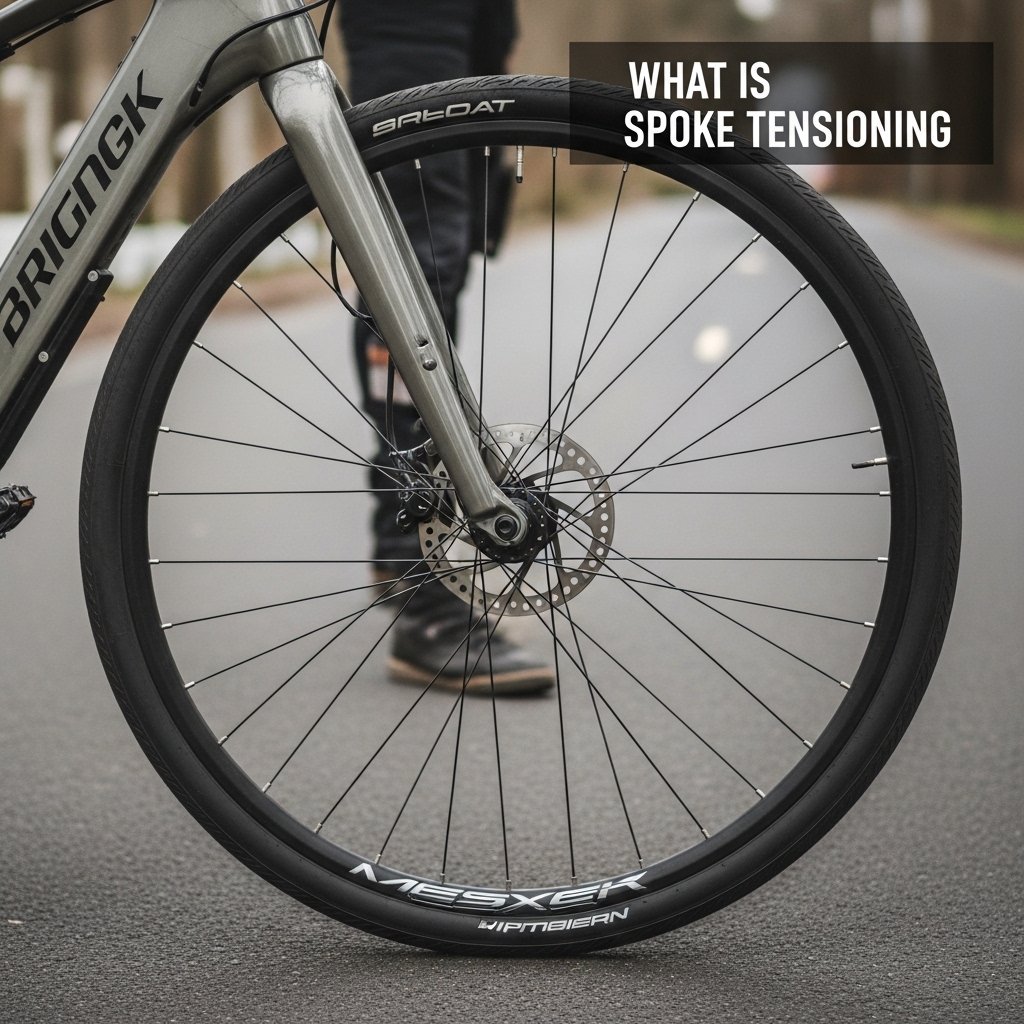
Why spoke tensioning matters for wheel life and performance
Most everyday cyclists first notice bad tensioning when their wheel goes out of true or starts making odd creaking noises. Poorly tensioned spokes tend to loosen or break, especially under real-world conditions like potholes, curbs, or a loaded rear rack. On the other hand, well-done tensioning distributes the load evenly, meaning you can rely on your wheels for a long time.
Spoke tensioning for different riding styles
Not every rider needs the same tensioning pattern. If someone mostly uses their bike for city commuting and rides with fenders or baskets, they’ll want a stiffer set-up—but not so tight it over-stresses the rim. For gravel or mountain biking, it’s usually worth using slightly lower tensioning to let the wheel absorb some of the impacts. Road racers, meanwhile, look for higher tension for responsiveness, as long as their rims are up to the job.
How to check spoke tensioning at home
You don’t need fancy equipment to spot really badly tuned wheels. Grab two neighboring spokes and squeeze them together gently: if one feels much slacker than the rest, that’s a warning sign. If you hear a sudden “ping” while riding, it often means a spoke just snapped or slipped tension. While a professional uses a spoke tension meter for accuracy, this quick check works on the go.
Common spoke tensioning mistakes we see in the workshop
- Overtightening the drive side – Common on rear wheels, causing premature spoke breakage and rim cracks.
- Ignoring spoke wind-up – Tightening spokes can twist them without actually increasing tension if you don’t support the spoke properly.
- Uneven tensioning from eyelet to eyelet – Leaves “hotspots” where breakages usually start.
Many mass-produced wheels arrive at the shop with these problems baked in from the factory, so we always run a tension check, especially after replacing even a single spoke.
Reliable tools and pro tips
If you’re keen to learn, a basic spoke key and some patience can get you decent results. For anyone building or restoring wheels, investing in a proper tension meter—like the ones reviewed on Park Tool’s resource page—takes the guesswork out. Here’s some advice we always give:
- Work in small steps – Don’t tighten or loosen more than a quarter turn at a time.
- Listen for creaks and pings – Wheel builds “speak” when under tension; those noises tell you if you’ve overdone it.
- Check and recheck – Go around your wheel several times, evening out tension as you go, rather than finishing all in one go.
- Check the rim – Some budget rims can deform before spokes reach ideal tension—know your components’ limits.
Troubleshooting issues
If your wheel keeps loosening or going out of true after fresh tensioning, a few causes are likely. First, see if the rim is bent or dented—no amount of tensioning will fix that. Next, check for broken or corroded nipples, which won’t hold tension no matter what. Finally, for some older wheels, the spokes themselves may have stretched enough to never sit right again; at that point, complete replacement is your best bet.
What we do differently at Vargas Bicycle Workshop
Every time a wheel comes in, we don’t just true it—we check tensioning, match the right tension for rim and hub, and stress-relieve each build. This means fewer annoying adjustments later, and a wheel that just keeps rolling. If you want to try your own hand at tensioning or have a stubborn wheel that needs a pro’s touch, don’t hesitate to ask when you visit the shop.
Final thoughts: Why getting right pays off
While it might sound like a small detail, spoke tensioning is at the heart of every solid wheel build. It doesn’t just affect strength—it shapes how your bike feels, how long parts last, and even your safety. Whether you tweak wheels for fun, or just want your everyday commuter to run smoothly, keep a close eye on how those spokes feel. Small attention to tension today saves you a big hassle tomorrow.