If you spend much time riding urban streets, you’ve probably heard mechanics recommend double wall rims. At Vargas Bicycle Workshop, we see day in and day out how double wall rims stand up to the relentless bumps, potholes, and curb hops that city bikes face. Let’s get into what makes them tick—and why they’re the go-to upgrade for many urban cyclists.
The big difference with rims is, well, the extra wall. These feature two parallel walls with a cavity between them—compare this to the basic single wall rim, which has just one layer of metal. The double wall design adds weight, sure, but more importantly, it significantly increases strength and resistance to impacts.
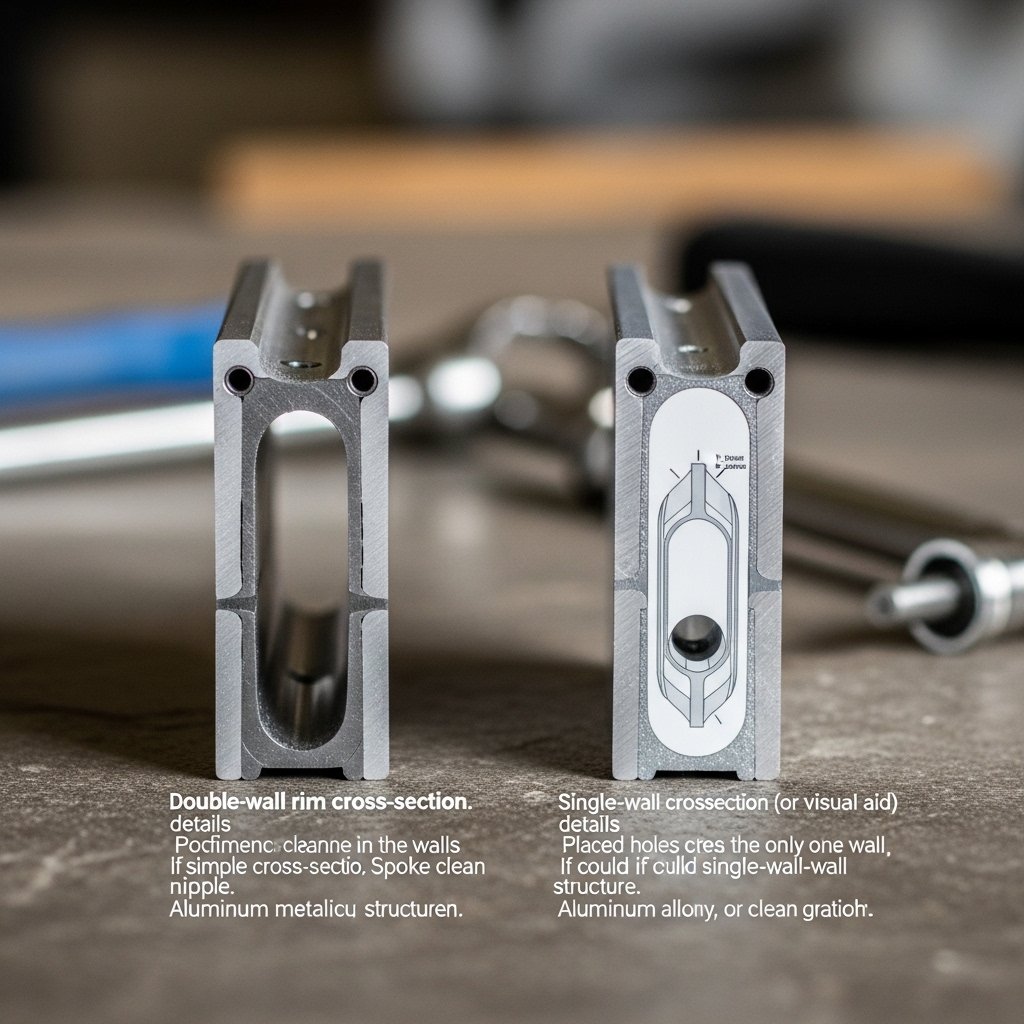
Most city riders want a rim that will hold up to some abuse. Hitting a hidden pothole, slamming up a curb to get off the street, or carrying extra weight on a rear rack: these are everyday occurrences. With single wall rims, you might start seeing dents, warping, or “flat spots” after a while. rims can take the same hits and keep rolling true much longer.
How double wall rims perform under pressure
Let’s take a look at the real-world performance of rims. One of my regular customers commutes daily on a beat-up hybrid with a loaded basket and heavy panniers. After two years, his cheap factory wheels (single wall) were so out-of-true that brake pads barely touched the rim in spots. We rebuilt his wheels with solid rims, and the change was immediate. The stronger shape meant less frequent truing, fewer wobbles when loaded, and far less nervousness about rough pavement or tram tracks.
Another thing: riders with e-bikes or cargo bikes pile even more stress onto their wheels. For these bikes, single wall rims are almost always a false economy. The added strength of rims means better long-term reliability—and less time in the workshop dealing with broken spokes or rim damage.
Choosing the right double wall rims for your bike
When upgrading, don’t just grab any double wall rim off the shelf. Consider your tire width, brake type (rim or disc), and the demands of your riding. For example, urban MTB conversions and city-focused hybrids both benefit from the wider section that many rims offer. This wider profile lets you run broader tires at lower pressures, further soaking up bumps and giving you control on uneven streets.
Meanwhile, if you run rim brakes, pay attention to the braking surface material and finish. Machined sidewalls tend to give more consistent braking performance. Also, check spoke hole count—more spokes plus a double wall equals even more resilience for heavy loads or rough roads.
The origins and evolution of double wall rims
rims have roots in road racing, where strength-to-weight ratio was always a concern. Back in the early days, most steel and aluminum rims were single wall to save weight—at the expense of durability. As city bikes became more popular, especially with heavier loads and more frequent impacts, manufacturers adapted double wall technology for commuter bikes. Today’s urban bikes benefit from decades of wheel design refinements that started in the racing world.
Everyday maintenance for double wall rims
While rims do hold up better than singles, they’re not bulletproof. It’s good practice to check spoke tension and rim straightness every few months, especially if you hear “pinging” from the wheel after hitting something hard. Most shops, including ours, have the tools to true a double wall rim, but the extra layer means you’re likely to need service less often and the wheel usually stays straighter between visits.
If you commute year-round or ride with cargo, the slight weight penalty of rims is worth it in exchange for fewer ugly surprises. In addition, their sturdier profile is less likely to deform under loads or sudden impacts—saving both money and headaches down the line.
Are always worth the investment?
This is a common question at our workshop. For lightweight racing bikes and flat city roads, a quality single wall rim might do fine. However, for most city riders—especially those who routinely carry gear, ride on rough surfaces, or just want more peace of mind—rims make a tangible difference. The little bit of extra weight is barely noticeable, while the improved durability and ride quality definitely are.
The cost? Mid-range rims are affordable these days, and given how much extra life and fewer repairs you get, they usually pay for themselves within a few seasons of regular use.
Further reading on rim designs
If you’re hungry for a deeper dive into bicycle rim construction and the science behind rims, consider checking out Sheldon Brown’s classic guide to rim types. It goes into more technical detail about rim structures than we can here, and it explains why various designs succeed (or fail) in the wild.
Summary: why suit urban cycling
In summary, rims offer a practical, long-lasting upgrade for anyone serious about city riding. Whether you’re dodging potholes on the way to work or hauling groceries in a heavy basket, their extra strength helps your wheels stay true and trouble-free. At Vargas Bicycle Workshop, we’ve seen just about every wheel fail, succeed, and everything in between—trust us, rims are worth considering if your cycling world involves more than just perfect pavement. Bring your questions, your battered wheels, or your curiosity to the shop any time, and we’ll talk you through your options.